Lyon, INTERPOL, and a Book Called Midnight
By the time this note drops, I'll be in Paris.
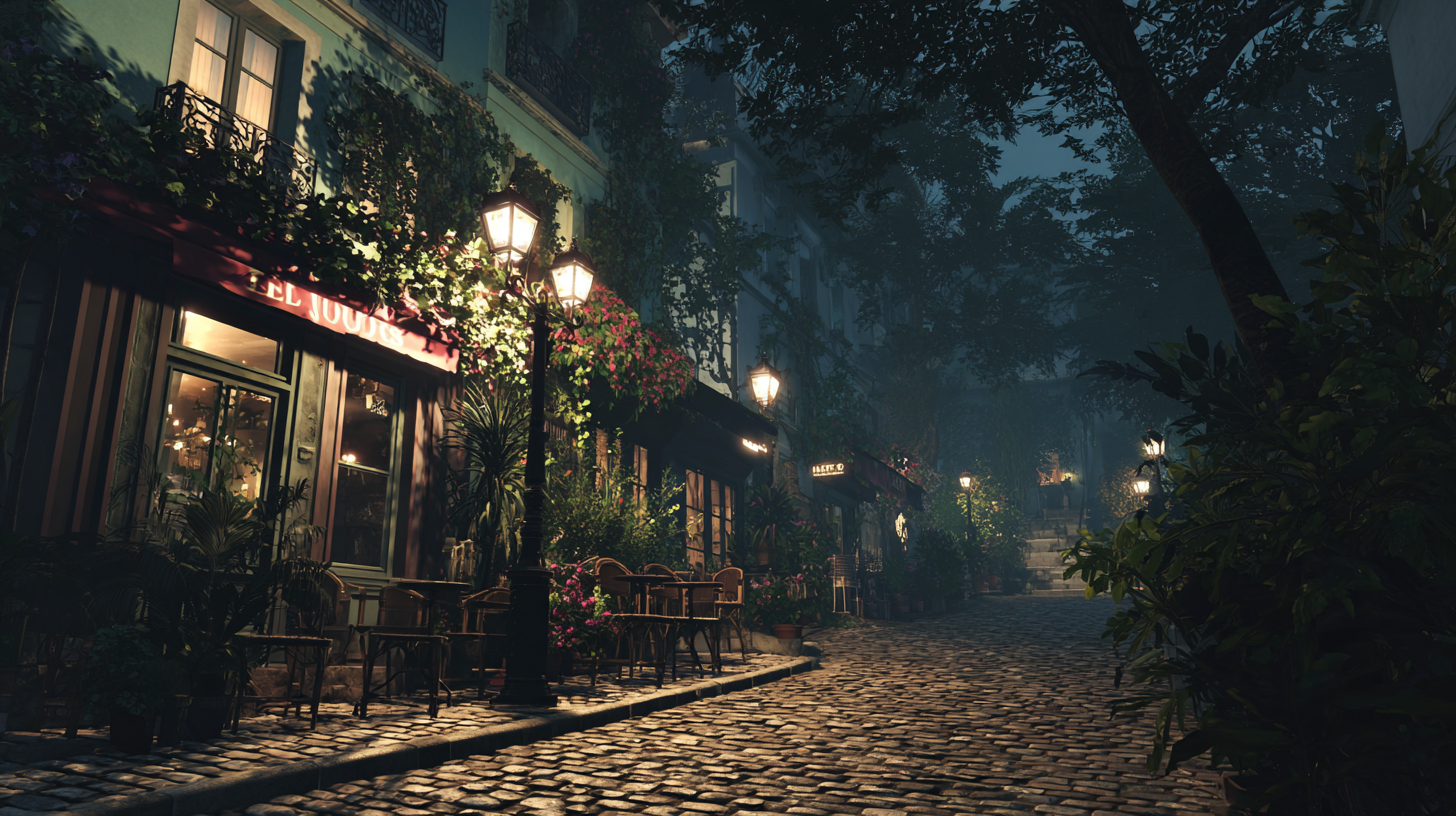
Not for a vacation exactly — though I intend to eat well and stay out too late at least once. I'm going to walk the streets of Montmartre, check addresses, visit the sites I've been writing about for years, and make sure the Paris inside my head matches the Paris that actually exists. Because when you're writing historical noir set in 1920s France, getting the geography wrong is the kind of thing that will keep you up at night. Or at least keep your editor up at night. Research, in other words. Very serious research. That occasionally involves wine.
Quais du Polar
Then, the following weekend, I'm Lyon-bound.
April 3-5, I'll be attending the 22nd edition of Quais du Polar — one of Europe's premier crime fiction festivals, held annually in the beautiful city of Lyon, France. If you've never heard of it, picture three days of crime writers, publishers, readers, filmmakers, and assorted lovers of the dark and literary descending on one of France's most gorgeous cities to talk about noir, mystery, and why we can't stop reading about terrible things happening to interesting people. This year's theme — Chercheurs d'histoires: sciences et fictions (Story Hunters: Science and Fiction) — brings together writers and researchers to explore the intersection of crime fiction and the world of scientific inquiry. Which, if you think about it, is exactly what good crime writing has always done: observe, question, investigate.
I'll be going in a professional capacity — meeting publishers, learning how the French literary market works, and quietly but persistently making the case for Midnight in Montmartre, my 1920s Paris noir that I have been writing, revising, and loving for longer than I care to admit. Set between the jazz clubs of Montmartre in 1924 and a Paris courtroom in 1926, it's a story of coercion, betrayal, a rigged fight, a murdered man, and a New York attorney who arrives in the City of Light looking for his sister and finds himself defending a man he's never met from a murder charge that doesn't add up. If that sounds like your kind of book — and if you're reading this newsletter, it probably does — stay tuned. And if you happen to know any French publishers, feel free to send them my way.
I won't be on any panels or signing tables this year — I'm there to listen and learn as much as to be heard. But I will have something extra special on my dance card: a private meeting with INTERPOL experts. Yes, that INTERPOL. I'll tell you more about that when I'm allowed to.
I won't be going alone, either. Fellow crime writer Darlyne Baugh-Johnson will be there, as will S.A. Cosby — one of the festival's featured authors this year. If you haven't read Shawn's work yet, correct that immediately. His King of Ashes is currently a finalist for the 2026 PEN/Faulkner Award for Fiction, and if you've read anything he's written you already know why. All three of us are proud members of Crime Writers of Color — a community of 350+ crime writers founded by Kellye Garrett, Gigi Pandian, and Walter Mosley, dedicated to supporting and celebrating diverse voices in the genre. Find them on Facebook too, and give them a follow while you're at it.
I was in Lyon once before, more than thirty years ago. I loved it then and I expect to love it more now — partly because I know more, partly because I'll be there with good people, and partly because Lyon is one of those cities that rewards attention. It has bones. It has history. It has, reportedly, some of the best food in France, which is saying something.
If you happen to be attending Quais du Polar, I'd love to say hello. Drop me a message through the usual newsletter email or find me on Facebook Messenger and we'll find each other somewhere between the book stalls and the bistros.
More dispatches to follow — when and as the story develops.
— Walker